
Fake Crypto and "Get Rich" Scams: How Teens Spot Trading Traps
Why "easy money" scams target teens
Many teens want their own money, whether for a console, trainers, or just independence. Scammers know this. They build fake "investment" and crypto offers around that wish, then spread them through short videos, comments, group chats and direct messages.
The pitch is almost always the same: a small payment now, a big payout soon. The payout never comes, and the money is gone.
How the trap usually works
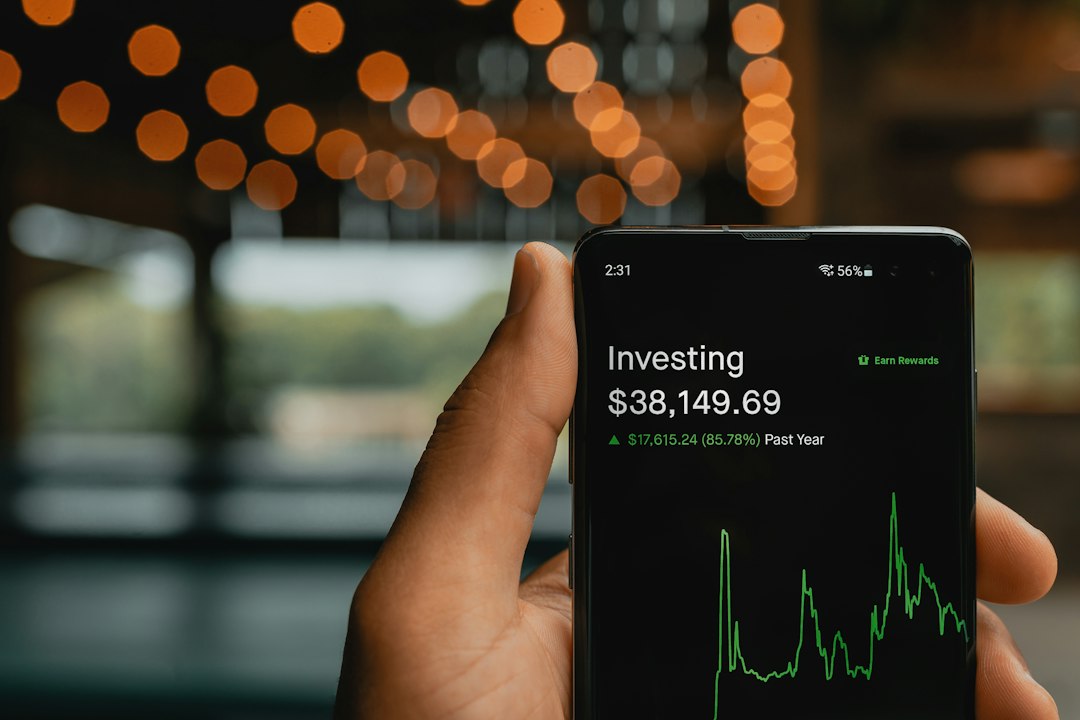
- The bait. You see a post, story or DM showing someone's "profits": a screenshot, a luxury photo, a screen recording of a balance going up. These are easy to fake.
- The friendly guide. A "mentor" or "trader" messages you. They may pose as a teen or a young adult, and they are patient and encouraging.
- The small test. You are asked to deposit a small amount. The fake app or website shows it growing quickly, which builds trust.
- The bigger ask. Now you are urged to add more, or to pay "fees" or "taxes" to withdraw. Some scammers suggest borrowing from family.
- The disappearing act. Withdrawals fail, the account is frozen, or the "mentor" blocks you.
Red flags to watch for
- Guaranteed returns. Real investing always carries risk. Anyone promising "no risk" or "double your money" is not being honest.
- Pressure to act fast. "Only 10 spots left" or "the window closes tonight" is a classic push to stop you thinking.
- Contact out of nowhere. Be suspicious of unexpected messages from strangers, or from a friend's account that suddenly sounds different. Hacked accounts are often used to promote these scams.
- Payment in odd forms. Requests for crypto transfers, gift cards or payments to personal accounts are major warning signs.
- Moving you to another app. If someone wants to shift the chat to a private messenger, that often helps them avoid moderation.
- Fees to withdraw. A genuine service does not make you pay extra just to access your own money.
Why screenshots prove nothing
Fake balances, edited chats and staged "cash" photos are cheap to make. Even a video of someone talking can be misleading, since voices and faces can be imitated with modern tools. Treat "proof" in a feed as advertising, not evidence.
A quick check before you send anything
- Pause for 24 hours. Real opportunities do not vanish overnight.
- Ask a trusted adult. A second pair of eyes spots things you might miss.
- Search the name plus "scam" or "reviews". Look for independent sources, not links the seller gave you.
- Check the rules. In many places, young people cannot open investment or trading accounts without a parent or guardian, so a platform that happily accepts a teen alone is suspicious.
- Never share login codes or seed phrases. Nobody legitimate needs your recovery phrase or your two-factor codes.
If you already sent money
- Stop paying. Do not send "fees" to get money back. That is usually a second scam.
- Tell an adult. It is a crime, not a personal failure, and the sooner help starts, the better.
- Save evidence. Keep screenshots, usernames, wallet addresses and payment receipts.
- Contact your bank or payment provider. Ask whether the payment can be flagged or disputed.
- Secure your accounts. Change passwords, turn on two-factor authentication, and remove any apps the scammer asked you to install.
- Report it. Use the platform's report tool and your country's fraud service.
Videos and reports to keep learning
We do not link to individual videos we cannot verify, but you can find trustworthy explainers by searching the official YouTube channels of consumer protection bodies, such as the US Federal Trade Commission, and of national cybersecurity awareness groups. Search for terms like "investment scam awareness" or "crypto scam warning signs".
For written guidance and reporting information, start with these official sites:
- consumer.ftc.gov, for scam alerts and advice (US)
- reportfraud.ftc.gov, to report fraud (US)
- ic3.gov, the FBI's internet crime reporting centre (US)
- actionfraud.police.uk, for fraud reporting (UK)
- staysafeonline.org, for general online safety tips
Many of these organisations also publish downloadable PDF guides. Check each site's resources or publications section for the latest versions.
The bottom line
If a stranger online offers fast, guaranteed money, the safest answer is no. Real wealth-building is slow and boring, and the people who make it look instant are usually the ones making money from you. When in doubt, pause, ask, and report.
Comments (0)
You have to login to post a comment.
No comments yet. Be the first to comment!